Why you should consider the lighting in your retail or hospitality space?
BRI
Editorial Team
2023-12-30


AV Integration & Signage Solutions
AV Integration & Signage Solutions
Loading
Beyond Ordinary
Editorial Team
2023-12-30
Lighting is much more than just illuminating a space. In the realm of retail and hospitality, it’s a strategic tool that can dramatically impact customer experience, product perception, and ultimat...
Lighting is much more than just illuminating a space. In the realm of retail and hospitality, it’s a strategic tool that can dramatically impact customer experience, product perception, and ultimately, sales. The right lighting can create an inviting atmosphere, highlight products, and even influence customer behavior. Let’s delve into the world of strategic retail and hospitality lighting, exploring its power.
Light is a form of electromagnetic radiation that our eyes perceive as color. However, it’s not just a single entity. Light has several key characteristics that impact us:
Measured in lux or lumens, light intensity affects our alertness and mood. Brighter light (around 1,500 lux) suppresses melatonin production, a hormone that regulates sleep, making us feel more alert and energized. This is why many retail stores and workplaces utilize brighter lighting – it keeps us focused and engaged. Conversely, softer light (around 300 lux) promotes relaxation. Restaurants often use this principle, creating a more calming atmosphere that encourages diners to linger longer.
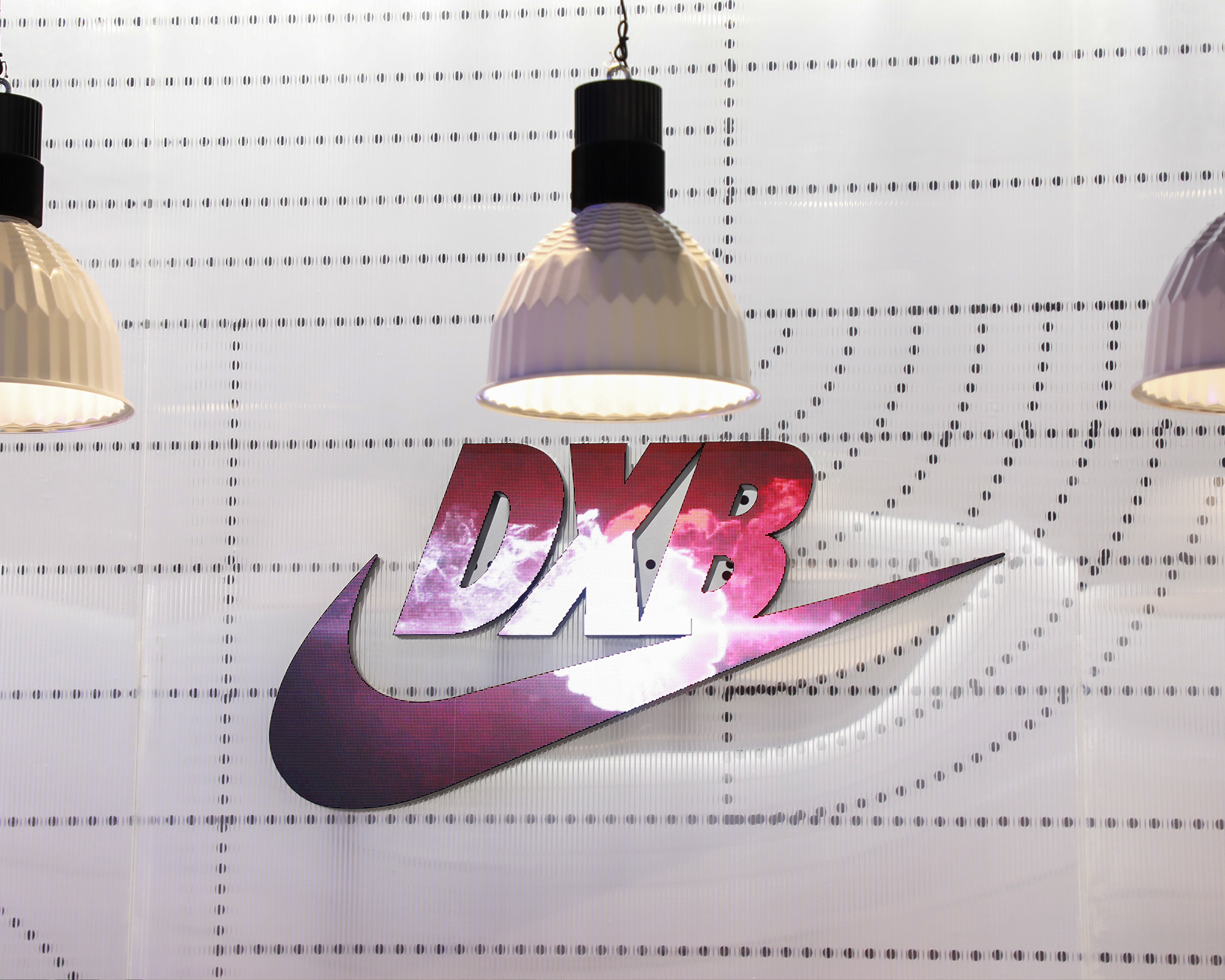
Measured in Kelvins (K), color temperature refers to the “whiteness” or “warmth” of light. Warmer light (around 2,700K), similar to incandescent bulbs, has a reddish hue and creates a cozy and inviting atmosphere. This is why many high-end stores and restaurants use warm lighting – it fosters a sense of comfort and luxury. Cooler light (around 5,000K), similar to LEDs, has a bluish hue and creates a more modern and sterile environment. Studies have shown that cooler light can lead to faster browsing behavior in retail stores, while warmer light can encourage customers to spend more time.
Different colors evoke distinct emotions and associations. Red is associated with excitement and urgency, often used in clearance sections or fast-food restaurants to encourage quick decisions. Blue is associated with calmness and productivity, making it a good choice for office spaces. Green promotes feelings of well-being and can be used in restaurants or spas to create a relaxing ambiance.
By understanding these scientific principles, businesses can leverage lighting to achieve several advantages:
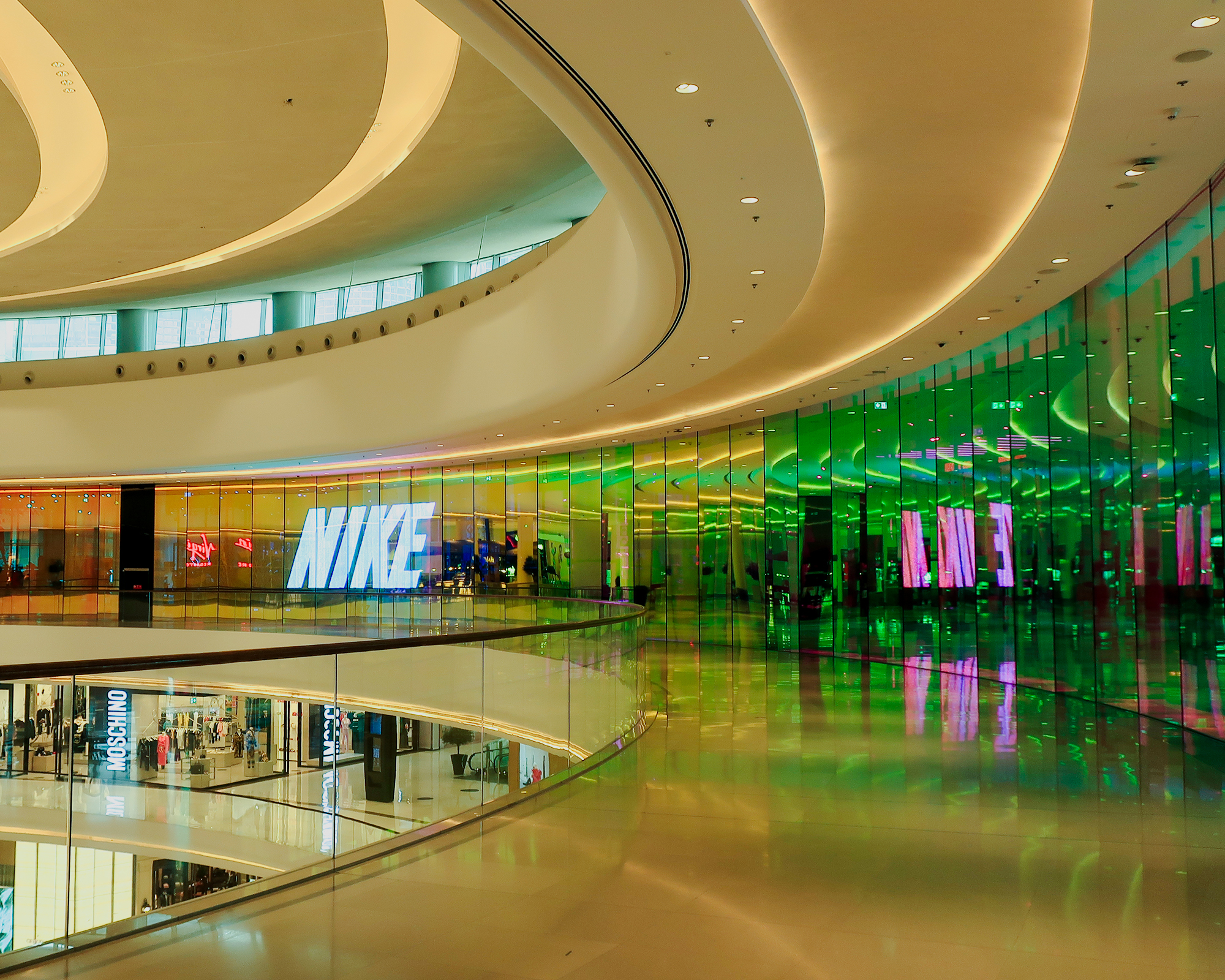
Strategic lighting can create a desired atmosphere, catering to the specific needs of the business. A warm and inviting atmosphere in a clothing store encourages browsing, while a bright and energetic atmosphere in a gym motivates activity.
Using focused lighting techniques like spotlights and task lighting draws customer attention to specific products, especially high-margin items. This can significantly impact purchasing decisions.
Studies have shown that well-designed lighting can increase sales by influencing customer behavior. Brighter lighting can encourage faster browsing, while warmer lighting can lead to customers spending more time in a store, potentially leading to more purchases.

Modern lighting technologies like LEDs offer significant energy savings compared to traditional incandescent bulbs. This translates to lower operating costs for businesses while also reducing their environmental impact.
Properly designed lighting ensures good visibility throughout the space, minimizing accidents and deterring theft.
Apple stores primarily rely on natural light flooding through large glass windows. This creates a bright and airy atmosphere that reflects the brand’s clean and modern aesthetic. Additionally, strategically placed spotlights illuminate product displays, drawing the customer’s eye to the sleek design of iPhones, iPads, and Macbooks.
The natural light fosters a sense of openness and transparency, aligning with Apple’s brand image. Spotlights create a sense of focus and importance on the products themselves, encouraging closer inspection and interaction. This combination minimizes distractions and allows the high-quality design of the products to take center stage.
Tiffany’s utilizes a multi-layered lighting approach. Warm ambient light bathes the store in a soft glow, creating a welcoming and intimate atmosphere. This is often achieved through recessed fixtures or cove lighting that washes the walls with a warm tone. However, the real magic happens with strategically placed accent lighting. Spotlights with a slightly cooler color temperature illuminate jewelry displays, highlighting the sparkle of diamonds and precious gems.
The warm ambient light creates a sense of luxury and exclusivity, making customers feel valued and comfortable. The cooler accent lighting enhances the brilliance and detail of the jewelry, subconsciously influencing customers to perceive them as more valuable and desirable. This combination creates an environment that feels both sophisticated and inviting, perfect for browsing high-end jewelry.
W Hotels take a bold approach to lighting, often incorporating oversized statement light fixtures with unique or eye-catching designs. The color temperature of the lighting can vary depending on the desired mood. In the lobby, the lighting might be a vibrant mix of cool and warm tones, creating an energetic and social atmosphere. In the bar area, the lighting might be a dramatic mix of colored spotlights and dimmed overhead lighting, creating a more intimate setting.
The bold lighting design elements become conversation starters and contribute to the overall trendy and modern vibe of the W Hotel brand. Varying the color temperature throughout the space allows for different moods and experiences depending on the area. This approach caters to a diverse clientele seeking a dynamic and stimulating environment.
Uniqlo stores utilize a balance of functionality and ambiance lighting. Track lighting with adjustable spotlights allows for the even illumination of clothing displays, ensuring customers can easily assess the color and quality of garments. Additionally, cove lighting integrated into the shelving provides a gentle wash of light, creating a calming and clutter-free atmosphere.
The functional lighting ensures a positive shopping experience, allowing customers to navigate the store and inspect products with ease. The cove lighting fosters a sense of peace and encourages browsing, ultimately leading to a more enjoyable shopping experience.
Sephora stores leverage lighting to create a truly immersive and sensory experience. Bright overhead lighting ensures overall visibility, while strategically placed vanity lighting illuminates makeup stations, allowing customers to test products accurately. Playful use of colored lighting might highlight specific product displays or create thematic areas within the store.
The bright overhead lighting provides a clear view of the vast product range. Vanity lighting empowers customers to experiment with confidence, while colored lighting adds a touch of whimsy and excitement. This combination creates a stimulating environment that encourages exploration and discovery of new beauty products.
Ritz-Carlton hotels prioritize a timeless and elegant aesthetic through their lighting design. Chandeliers and sconces with warm-toned bulbs cast a soft glow in lobbies and common areas, creating a sense of sophistication and grandeur. Task lighting, such as desk lamps and reading lights, are incorporated for functionality in guest rooms.
The warm-toned lighting fosters a feeling of luxury and comfort, aligning with the Ritz-Carlton’s reputation for exceptional service. Task lighting ensures functionality without compromising the overall ambiance, creating a space that is both inviting and practical for guests.
As the science of lighting continues to evolve, so too will its strategic applications. With continued exploration of color temperature, dimming capabilities, and integration with smart technology, retailers and hospitality businesses can expect even more dynamic control over the customer experience. By embracing innovative lighting solutions, businesses can ensure their spaces remain not just functional, but truly captivating for years to come.
End of Brief