Navigating UAE Signage Regulations: A Practical Guide
BRI
Editorial Team
2024-02-25


AV Integration & Signage Solutions
AV Integration & Signage Solutions
Loading
Beyond Ordinary
Editorial Team
2024-02-25
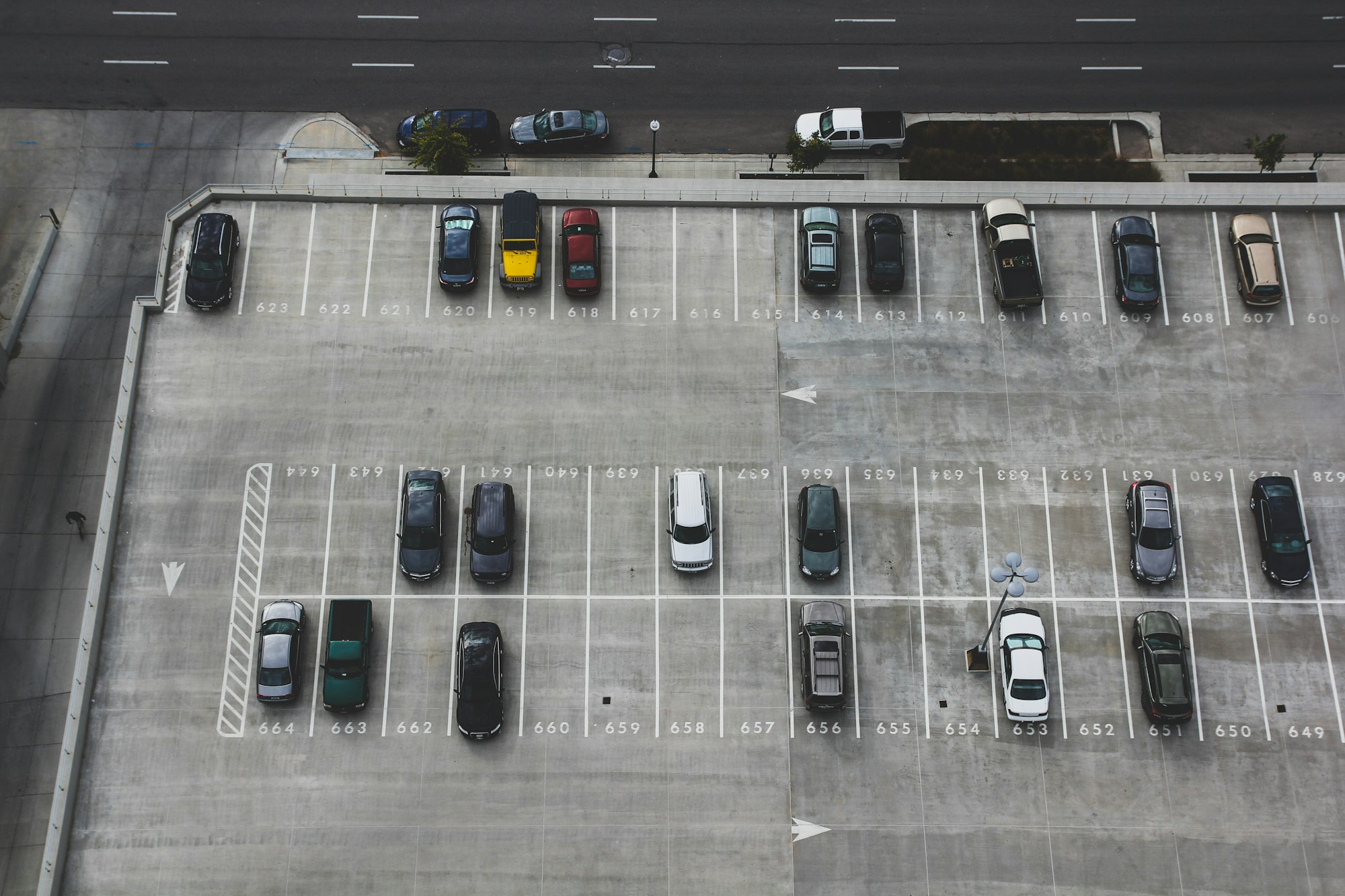
The United Arab Emirates (UAE) boasts a vibrant cityscape, characterized by a blend of modern architecture and traditional design elements. However, maintaining a visually appealing urban environme...
The United Arab Emirates (UAE) boasts a vibrant cityscape, characterized by a blend of modern architecture and traditional design elements. However, maintaining a visually appealing urban environment requires careful consideration of various factors, including outdoor signage. While signage plays a crucial role in informing and advertising, it can also significantly impact the aesthetics and functionality of public spaces. This blog delves into the intricate relationship between outdoor signage and the urban environment in the UAE, exploring the need to balance aesthetics with municipal regulations.
The UAE has witnessed a significant boom in the outdoor advertising industry in recent years. According to a 2022 report by Statista, the UAE’s out-of-home (OOH) advertising market is expected to reach a value of AED 1.3 billion by 2025. This growth can be attributed to several factors, including:
According to the World Bank, the UAE’s urban population is projected to reach 23.2 million by 2030. This growing population necessitates effective communication channels, and outdoor signage serves as a prominent way to reach a large audience.
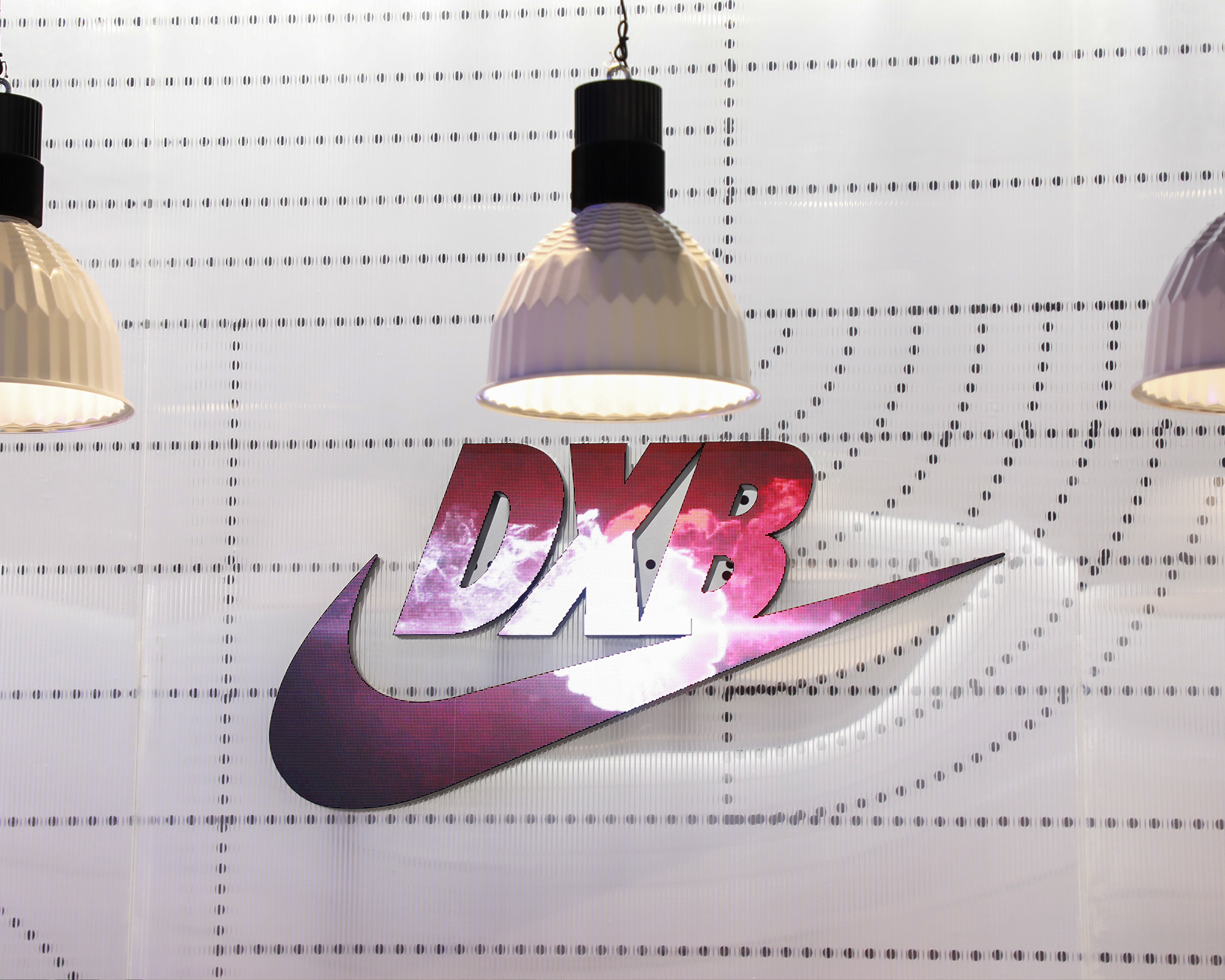
The UAE’s tourism sector is a significant contributor to the national economy. In 2023, Dubai alone welcomed over 17.15 million international visitors, marking a significant 19% increase compared to 2022 and also surpassing pre-pandemic levels. Eye-catching and informative signage has become ever more vital in guiding tourists and showcasing the city’s offerings.
Consumers in the UAE are increasingly exposed to visual stimuli through digital media. Outdoor signage, when employed strategically, can complement these digital experiences and create a more immersive brand experience.
Balancing aesthetics with regulations in outdoor signage is essential. Unregulated signage can impact the visual character of urban spaces. To maintain this balance, each of the seven emirates in the UAE has specific regulations governing outdoor signage. For example, Dubai Municipality’s “Signage Code of Practice” outlines guidelines for design, installation, and maintenance, emphasizing the importance of signage complementing architectural styles and adhering to size restrictions to prevent visual clutter.
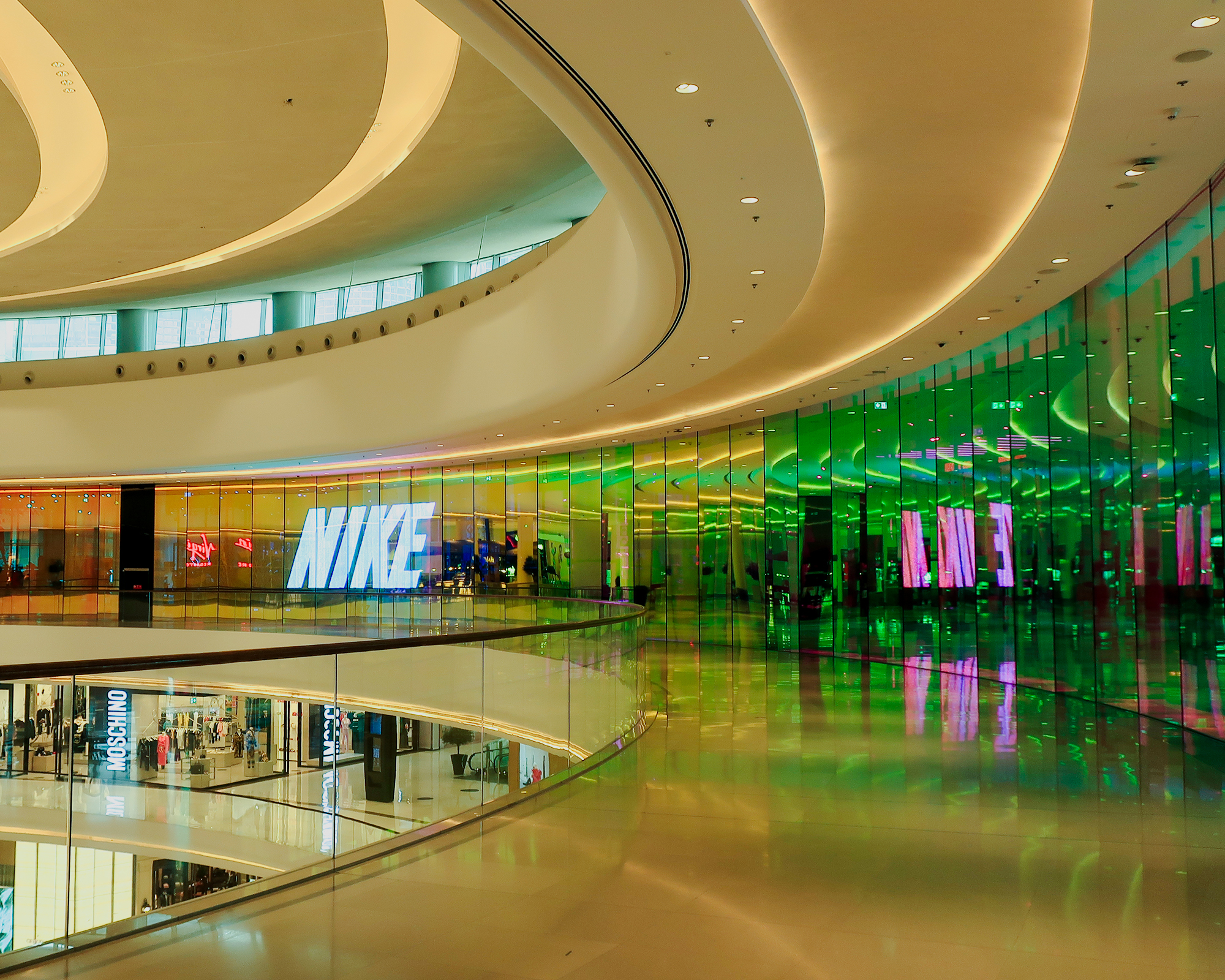
Poorly planned or excessive signage can have detrimental effects, transforming a potential asset into a visual burden in the following ways:
An overabundance of signs can create visual pollution, overwhelming the senses and detracting from the overall aesthetics of the environment. Imagine a bustling street lined with signs of various shapes, sizes, and colors; the visual overload can be overwhelming and detract from the beauty of the surrounding architecture.
Poorly placed signs can obstruct views, leading to pedestrian and vehicular accidents. A misplaced sign that blocks a traffic signal or a pedestrian crossing can have serious consequences, compromising safety and creating a hazardous environment.

Flashy or brightly lit signs can distract drivers and pedestrians, compromising safety and creating an unpleasant experience. Imagine navigating a busy intersection amidst a cacophony of flashing lights and competing messages; the distraction can be significant and potentially dangerous.
These regulations vary across different emirates but generally address aspects such as:
From the traditional wind towers (barajeels) to the modern skyscrapers, signage needs to seamlessly integrate into the diverse architectural landscape of the UAE. Regulations typically dictate the maximum size of signs, their placement on buildings or streetscapes, and their proximity to other signs. This helps to prevent visual clutter and ensures that signs are placed in a way that does not obstruct pedestrian traffic or views of important landmarks such as the Burj Khalifa or the Sheikh Zayed Grand Mosque
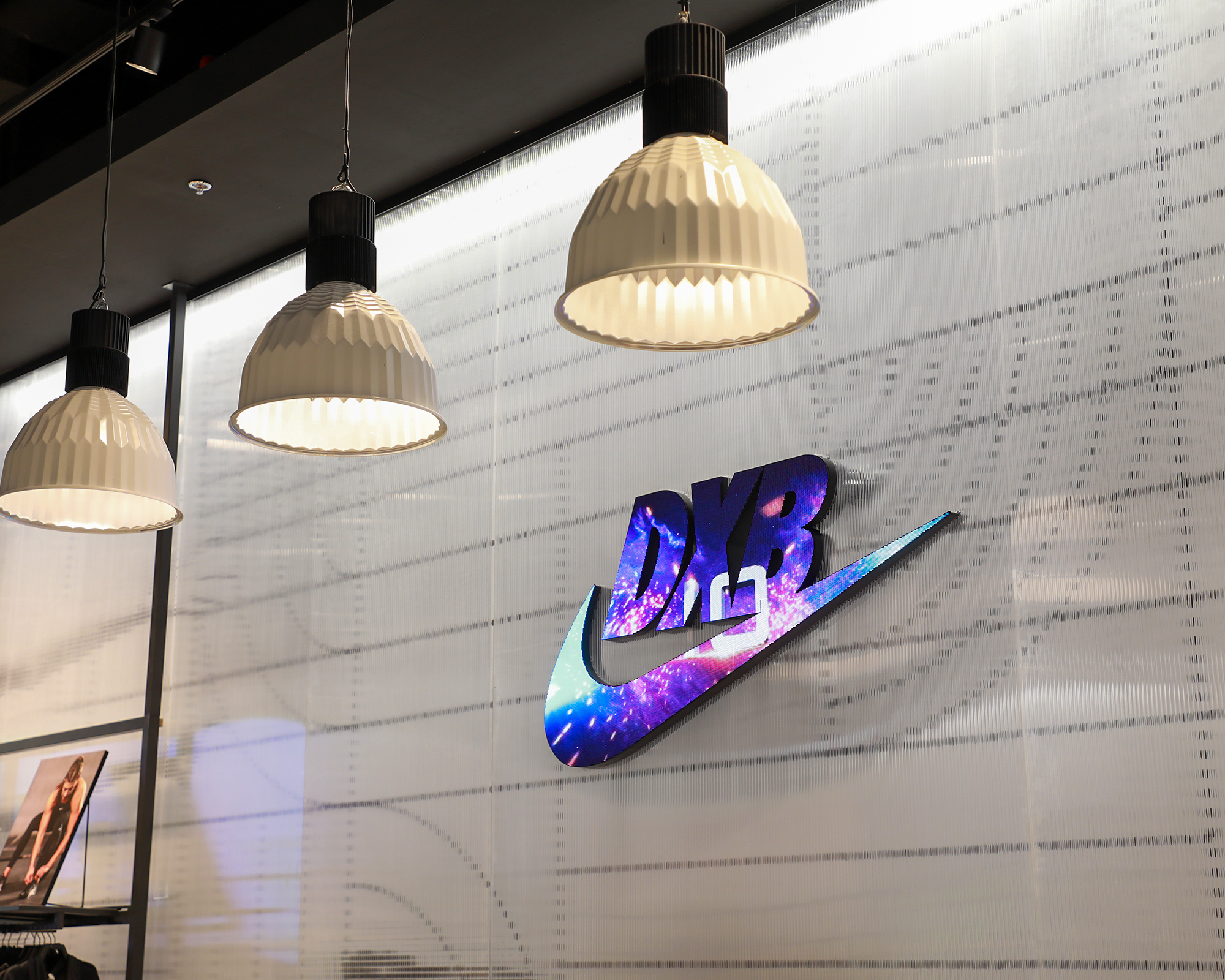
Certain materials and design elements, such as neon lights or excessive use of light-emitting diodes (LEDs), might be restricted to minimize light pollution and maintain visual harmony. Imagine the traditional souqs in Dubai or Sharjah bathed in the warm glow of traditional lamps suddenly disrupted by a neon sign; the clash in aesthetics can be jarring and detract from the cultural experience.
Regulations might specify language requirements and limitations on the type of content displayed on signs to ensure cultural sensitivity and maintain public order. This helps to ensure that signage respects the local culture and traditions while effectively communicating its message to the target audience, which can be diverse in the UAE, with a significant expatriate population exceeding 80%.
These regulations aim to achieve a balance between the following aesthetic considerations:
Signage should complement the existing architectural styles and cultural heritage of the area, preserving the unique identity of each emirate. Imagine a historic building in Al Fahidi Historical Neighborhood in Dubai adorned with a modern, high-tech sign; the visual dissonance can disrupt the character of the area and diminish its cultural significance.
Signs should be designed with clarity and legibility in mind, ensuring they are easily readable from a distance and do not create visual strain. This is particularly important in a country with a bright desert sun, where glare can be a concern.
Signage should be constructed using environmentally friendly materials and energy-efficient lighting options whenever possible. This helps to minimize the environmental impact of signage and contributes to a more sustainable urban environment.
Signage categories encompass various types of signage, each subject to specific regulations in the UAE. Building signs, pylon signs, and street furniture advertising may each have distinct regulatory requirements regarding their size, placement, and design. Moreover, digital signage is governed by regulations that control content and operation, including parameters like brightness control and content refresh rates. Temporary signage, such as event banners or construction site signage, may also be subject to separate regulations, which could differ from those applicable to permanent installations. These distinctions ensure that different types of signage are appropriately managed and adhere to relevant standards and guidelines.
Now that you understand the regulatory framework, here’s a general outline of the steps involved in getting your signage approved:
The approval process for most outdoor signage in Dubai falls under the purview of the Dubai Municipality’s Planning Department. However, for signage related to roads and transportation, such as pylon signs along major highways, you might also need approval from the Roads and Transport Authority (RTA). In other emirates, the approval process is typically handled by the relevant municipal authority. These authorities might have different names depending on the emirate, such as the Department of Urban Planning and Municipalities or the Department of Public Works.
Each authority has its own set of regulations governing outdoor signage. These regulations typically address aspects like size, placement, materials, content, and lighting. Familiarize yourself with the specific regulations applicable to your location and signage type. Resources like the relevant authority’s website or contacting them directly can help you access these regulations.
Once you have reviewed the regulations and finalized your design, prepare and submit a formal application to the relevant authority. The application typically includes details like:
The authority might request additional information or modifications to your design to ensure compliance with the regulations. Be prepared to address any concerns raised and work collaboratively with the authorities to find a solution that meets both your needs and their requirements.
Upon successful compliance, the authority will issue the necessary approvals and permits for the installation of your signage. The specific timeframe for obtaining approvals can vary depending on the complexity of the project and the workload of the authority.
By understanding and adhering to these guidelines, you can ensure your signage is not only visually appealing but also compliant with UAE regulations. Remember, clear and compliant signage not only avoids potential legal issues but also effectively communicates your message to your target audience, fostering a positive brand image and contributing to your business success in the UAE.
Are you wondering how to navigate the whole process? Consider seeking professional guidance from an architect, designer, or signage specialist like Blue Rhine Industries which is familiar with the UAE’s regulations and approval processes. We can help you navigate the system and ensure your design meets all requirements.
UAE signage regulations: balancing aesthetics, compliance.
End of Brief