Beyond Directions: Understanding the Power of User-Centric Design in Wayfinding Experiences
BRI
Editorial Team
2024-01-23


AV Integration & Signage Solutions
AV Integration & Signage Solutions
Loading
Beyond Ordinary
Editorial Team
2024-01-23

Wayfinding, once limited to offering basic directions, has undergone a profound transformation, adopting a multidimensional approach rooted in user-centric design principles. In today’s dynamic lan...
Wayfinding, once limited to offering basic directions, has undergone a profound transformation, adopting a multidimensional approach rooted in user-centric design principles. In today’s dynamic landscape, the fusion of cutting-edge design strategies, technological innovations, and a deep understanding of user behavior has reshaped the way we navigate physical spaces. This exploration into the profound impact of user-centric design in wayfinding reveals its transformative potential in creating intuitive, immersive, and personalized navigation experiences.
Wayfinding’s evolution from static directional aids to a multifaceted integration of architecture, digital interfaces, and psychological insights marks a significant shift in navigation strategies. This evolution acknowledges the necessity for adaptable, intuitive, and user-centric navigation systems that transcend traditional directives.
Incorporating user-centric design principles into wayfinding signage involves deep user understanding, and technological innovation to craft navigation systems that prioritize ease, inclusivity, and seamless guidance through physical environments for every user. Here’s how:
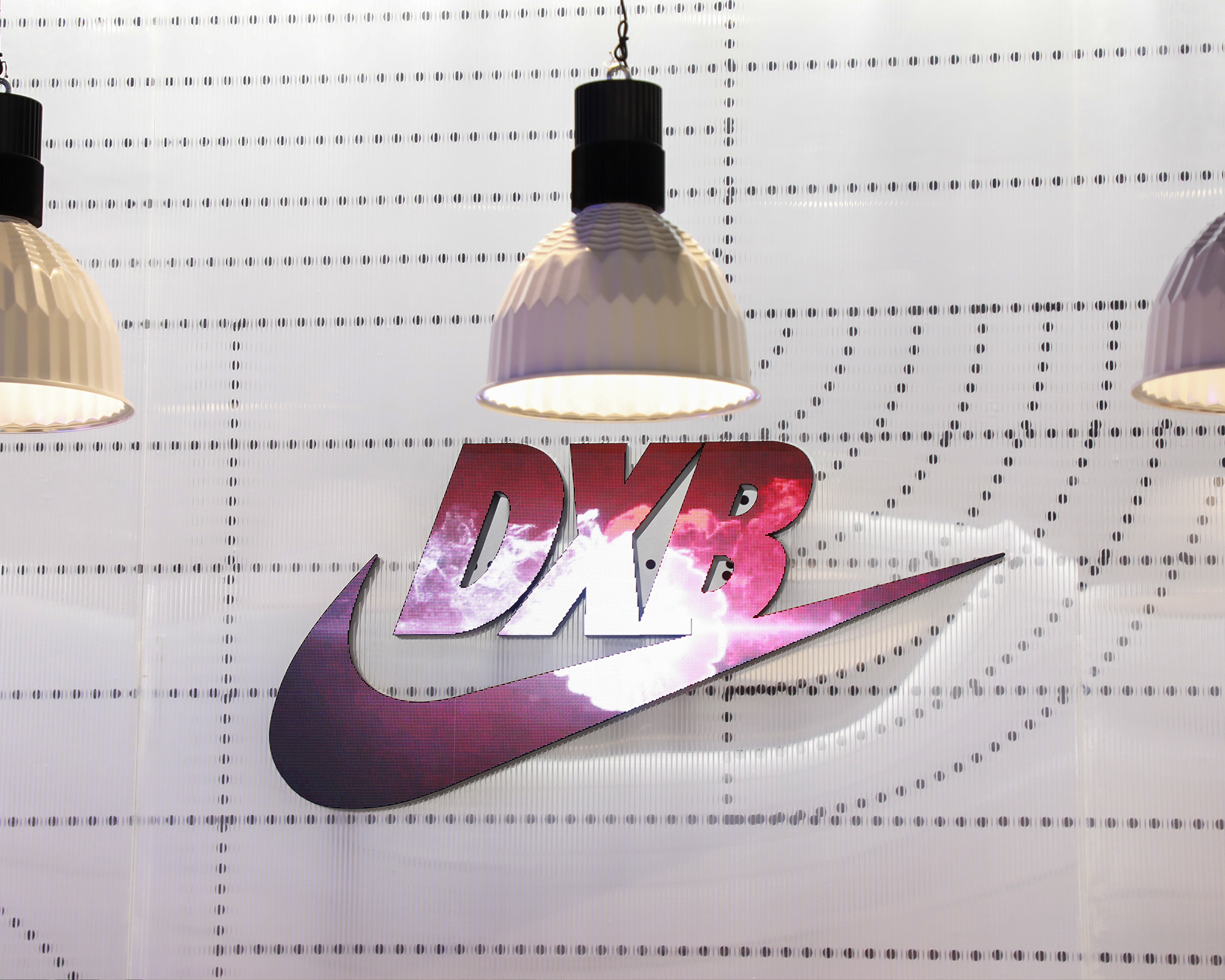
Fostering a deep understanding of user needs, motivations, and pain points by creating detailed journey maps and empathy-driven personas that represent diverse user demographics.
Conducting extensive user research through ethnographic studies, contextual inquiries, surveys, interviews, and usability tests to uncover nuanced insights into user behaviors and preferences when navigating physical environments.
Promoting inclusivity by designing for individuals with varying abilities. Implementing features like Braille signage, tactile paths, audible cues, and universally accessible interfaces to ensure a welcoming environment for all users.
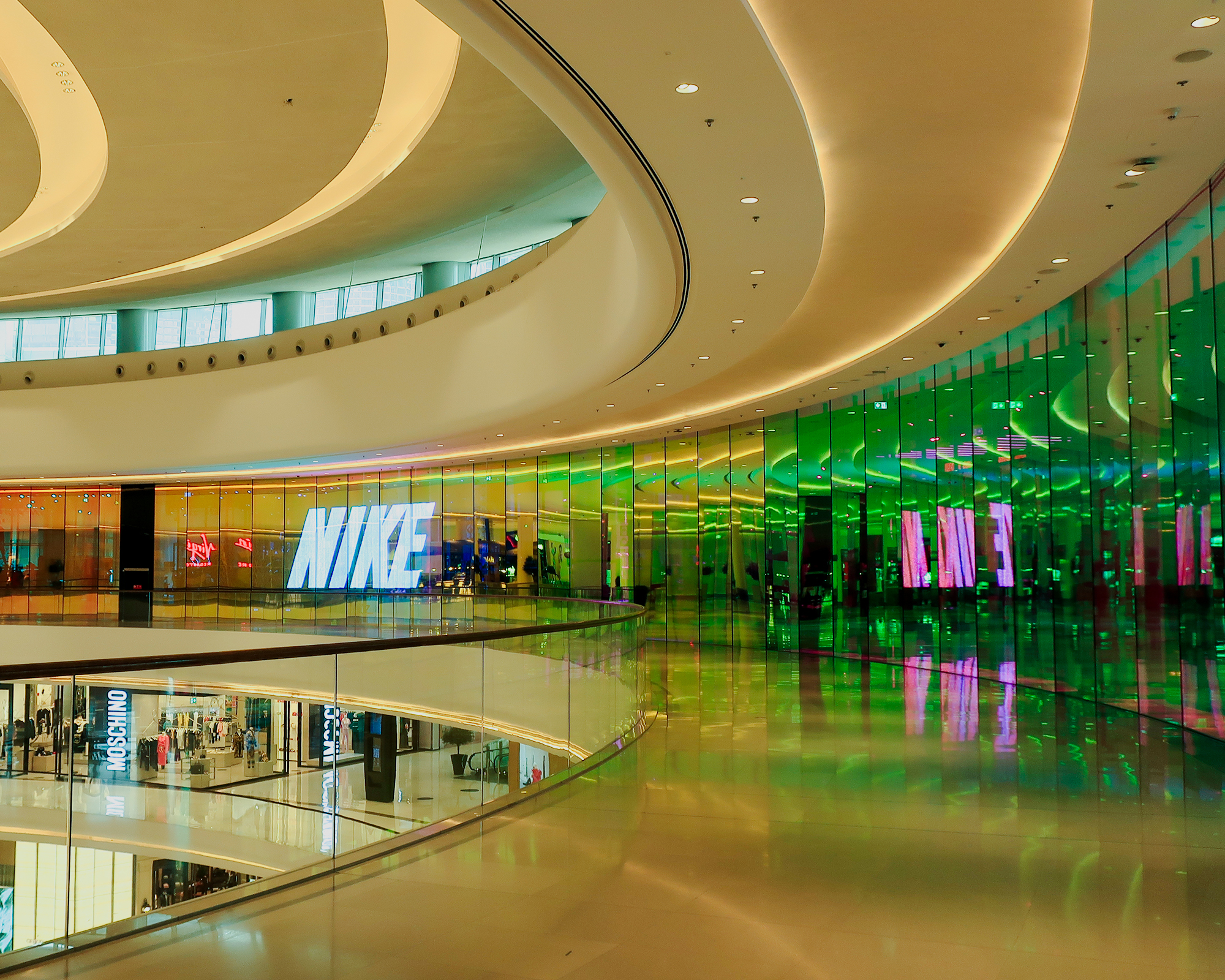
Simplifying complex information through user-centered design elements such as intuitive icons, clear typography, color contrast, and consistent signage to improve user comprehension and ease of navigation.
Below are the principles in wayfinding design that prioritize user needs, leveraging comprehensive research, innovative technology integration, and accessible elements to create engaging, accessible, and effective navigation experiences for diverse demographics.
Leveraging advancements like mobile applications, IoT devices, interactive maps, AI-driven recommendations, and augmented reality for real-time updates, context-aware guidance, and personalized assistance tailored to individual preferences.
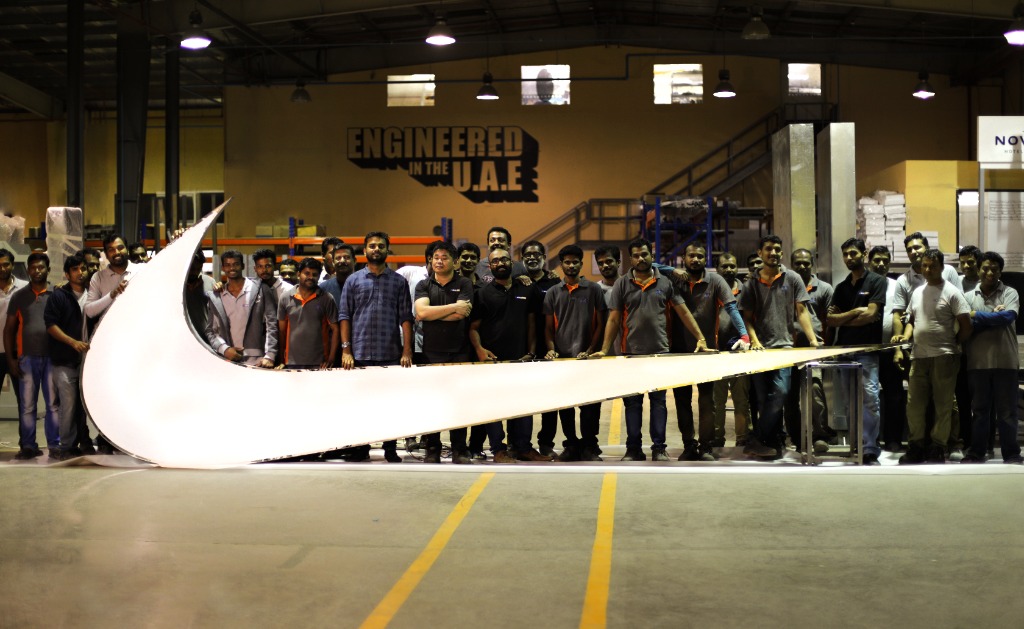
Embracing an iterative design process fueled by ongoing user feedback loops, usability testing, data analytics, and behavioral insights to refine and optimize wayfinding systems iteratively.
Encouraging a culture of innovation that prioritizes human experiences, encouraging creativity and empathy-driven solutions to enhance navigation systems.
User-centric design stands as a catalyst in the transformation of wayfinding, elevating it beyond its conventional constraints. By prioritizing user needs, inclusivity, and intuitive design, it has redefined navigation experiences into holistic, engaging, and deeply satisfying journeys. As technology continues to advance, the integration of human-centered design principles into wayfinding will remain pivotal, promising navigation experiences that are not only seamless and efficient but also empathetic, inclusive, and immensely rewarding for all individuals navigating physical environments.
End of Brief